Author name: reviewsavvyhub Team

ReviewSavvyHub Team is a collective of independent analysts and consultants based in Birmingham, UK, delivering globally relevant, data-driven reviews and real-world technology analysis. With experience across digital platforms, AI tools, software solutions, and service-based industries, our team focuses on helping consumers and businesses make confident, informed decisions. Our mission is to save users time and reduce decision risk by breaking down complex products, software, and services for audiences worldwide — including Small-to-Medium Enterprises (SMEs). We combine structured analytical frameworks such as SWOT and PESTLE with insights synthesised from over 100 verified user experiences, ensuring our reviews reflect real-world usability rather than marketing claims. At ReviewSavvyHub, we believe the best decisions are made through evidence, comparison, and clarity — helping our readers achieve maximum value with minimum hassle.

Meta AI review comparing claims vs reality, real-world performance and privacy concerns – ReviewSavvyHub
AI Tools, Technology

Meta AI Review: Claims vs Reality

Editorial Hook — What This Review Covers This Meta AI Review examines how Meta’s artificial intelligence actually performs across WhatsApp, Instagram, Facebook, and Messenger, beyond marketing claims and launch hype. It explains what Meta AI is designed to do, how it behaves in real conversations and creative tasks, how safe it is from a privacy […]
Grok AI review analysing claims vs reality, real-world performance and limitations – ReviewSavvyHub
AI Tools, Technology

Grok AI Review: Claims vs Reality

Editorial Hook — What This Review Covers This Grok AI review explains exactly what Grok 4.1 delivers in real-world use, beyond marketing claims and online hype. You’ll learn how Grok performs when analysing live information, how reliable its real-time X (formerly Twitter) data access really is, how its reasoning compares with GPT-5.1 and Gemini, and

Microsoft Copilot AI interface visual representing claims vs reality in enterprise AI productivity tools – ReviewSavvyHub review
AI Tools, Technology

Microsoft Copilot AI Review: Claims vs Reality for Businesses

Editorial Hook — Claims vs Reality Microsoft Copilot AI Review (2025–2026) looks beyond Microsoft’s marketing claims to analyse real-world performance, enterprise usability, limitations, and decision-making value. Is Microsoft Copilot AI genuinely worth paying for, or does real-world usage reveal limitations that Microsoft’s marketing does not clearly address? This in-depth ReviewSavvyHub analysis focuses on how Microsoft

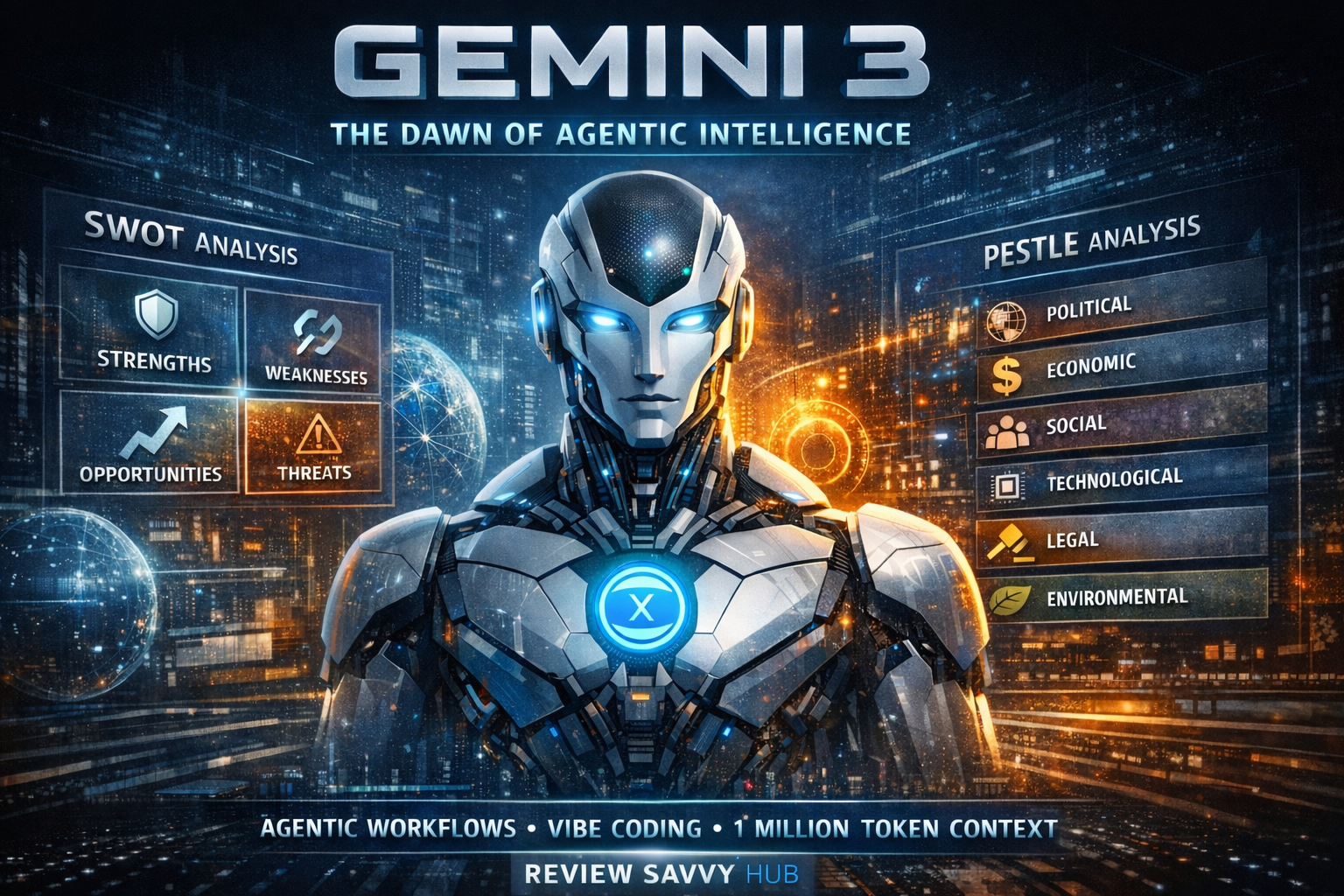
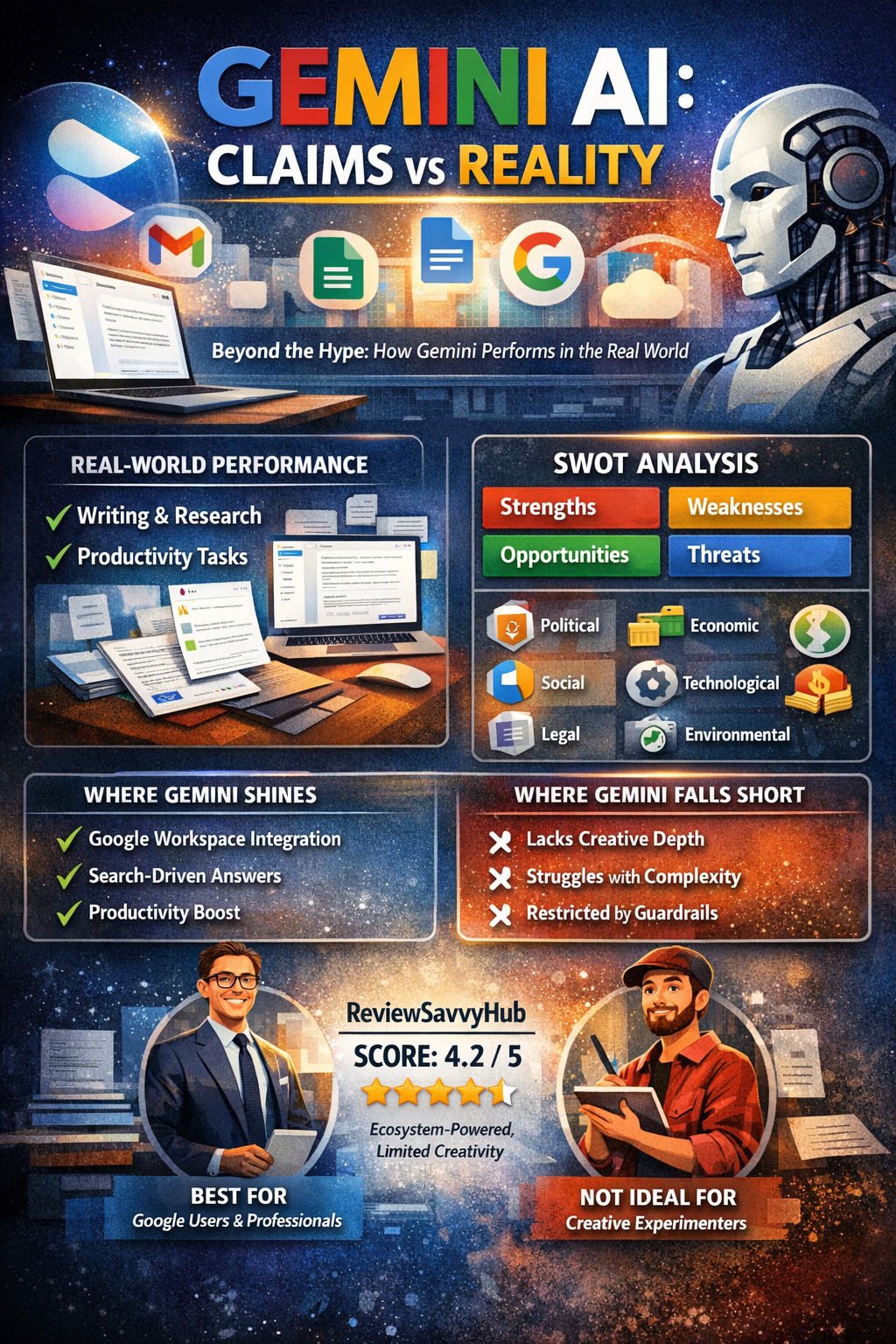
Gemini AI claims vs reality review showing real-world performance, SWOT and PESTLE analysis by ReviewSavvyHub
AI Tools, Technology

Gemini Review — Google’s Ecosystem-First AI Tested in Real-World Use

Gemini AI Review: Claims vs Reality This Gemini AI Review examines Google’s flagship AI platform through sustained real-world usage rather than launch-day promises, focusing on productivity, ecosystem integration, accuracy, and practical limitations over time. Rather than repeating Google’s marketing language, this review evaluates how Gemini performs in everyday writing, research, and professional productivity scenarios. It

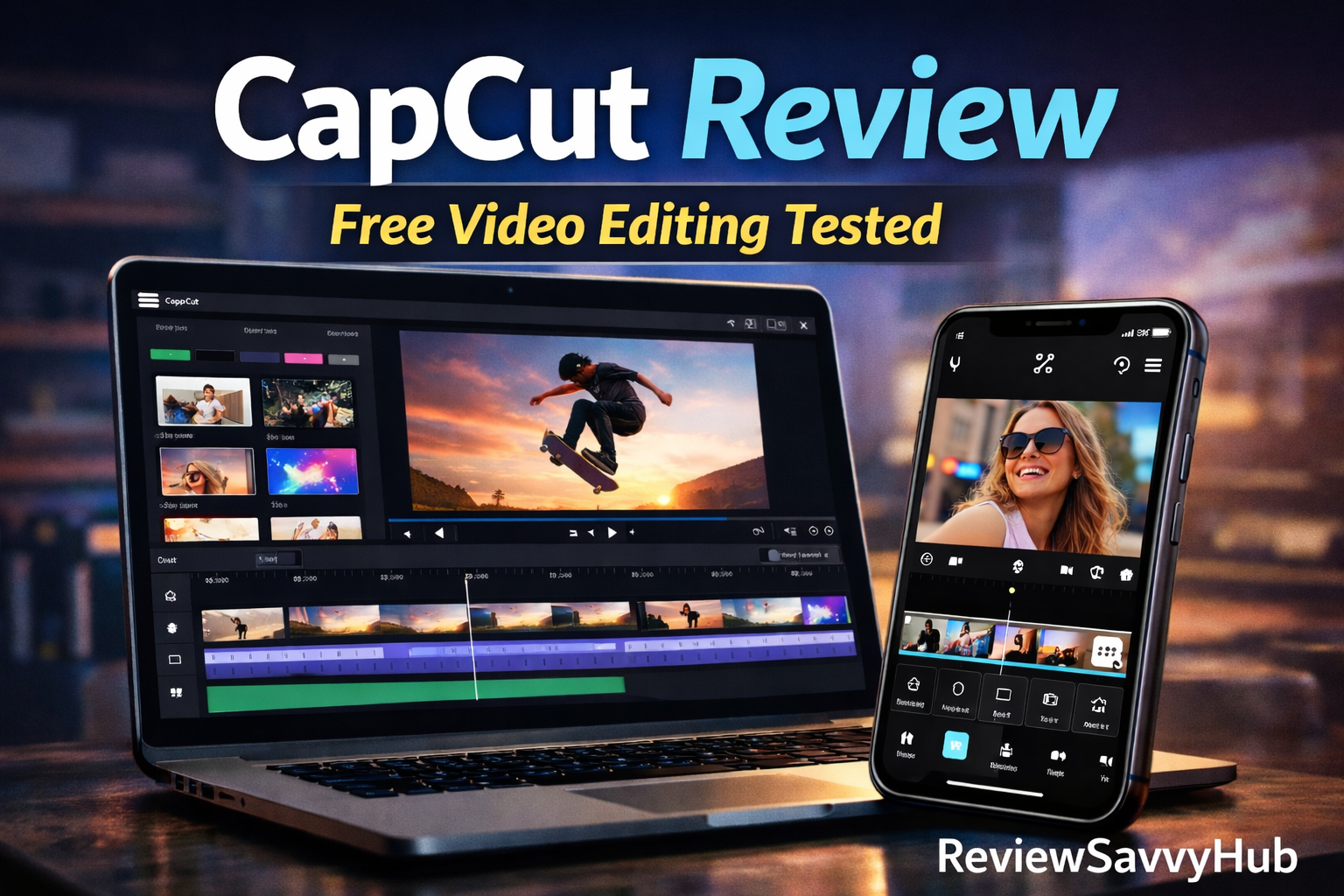
CapCut review showing the free video editing software interface on desktop and mobile
Technology, Video Editing Software

CapCut Review – Free Video Editing Software Tested (Claims vs Reality)

Context / Background CapCut Review begins with an important reality check. In recent years, video creation has shifted dramatically from long-form desktop editing to fast, mobile-first content for TikTok, Instagram Reels, and YouTube Shorts. As creators demand speed, simplicity, and zero-cost tools, CapCut has emerged as one of the most widely used video editing platforms

AI Tools, Technology

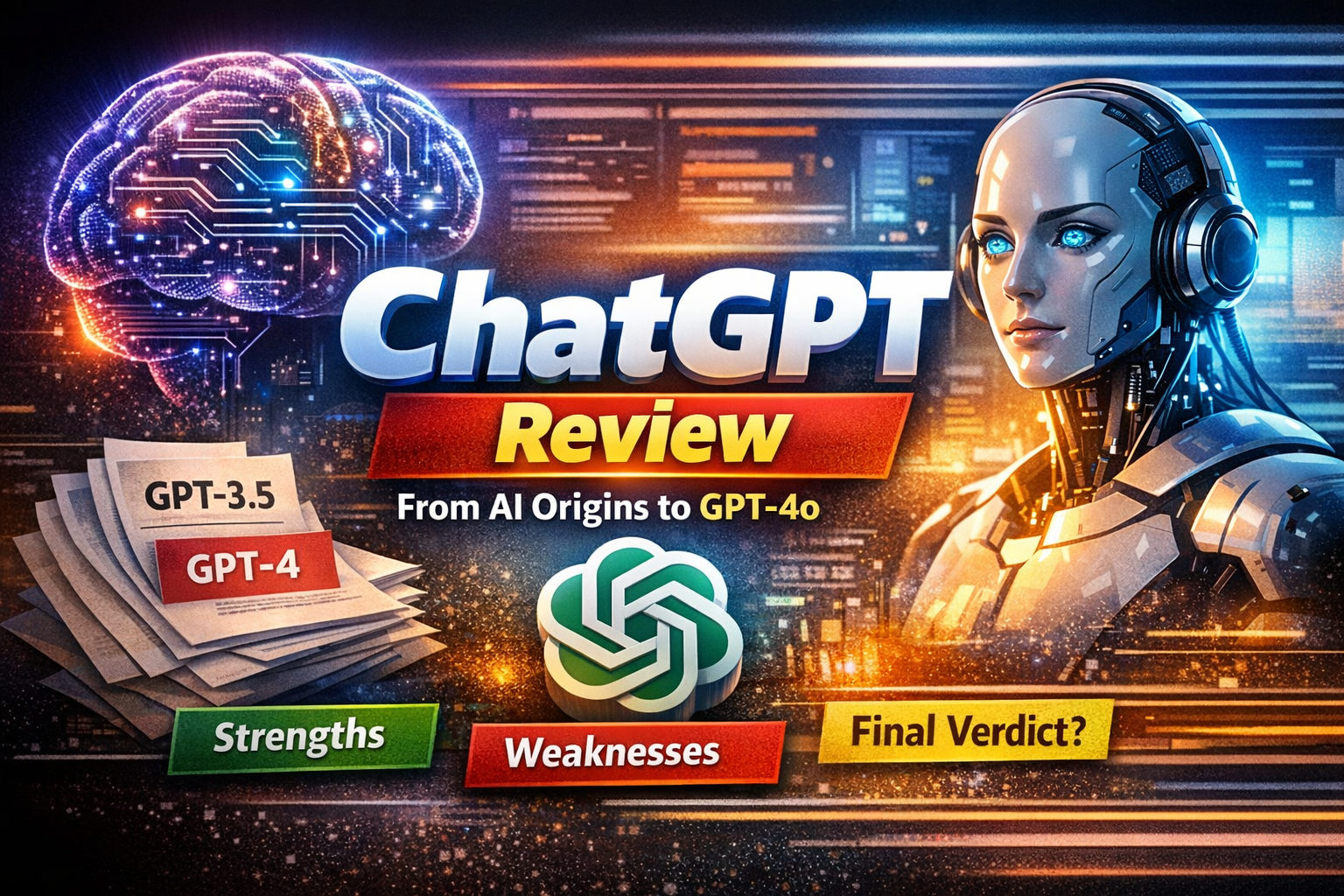
ChatGPT-4o Review: A Genuine Leap Forward or Just Smarter Marketing?

ChatGPT-4o Review: Claims vs Reality A Brief Context: How AI Research Reached ChatGPT-4o Artificial intelligence research is often treated as a modern breakthrough, but its foundations stretch back more than seventy years. In the 1950s, early computer scientists began exploring whether machines could replicate elements of human reasoning. The Dartmouth Conference of 1956 formally introduced

Scroll to Top