Opinion & Insights

Opinion & Insights

Opinion & Insights is where ReviewSavvyHub examines technology, artificial intelligence, platforms, and digital trends beyond marketing claims and surface-level narratives.

This section focuses on judgement-based analysis, ethical boundaries, real-world impact, and human responsibility — especially where AI, automation, and algorithms influence decisions, behaviour, and accountability.

These articles are not product promotions, sponsored opinions, or trend-chasing commentary. They are written to separate hype from reality, signal from noise, and convenience from consequence — helping readers understand not just what is changing, but why it matters.

AI freemium model illustration showing free vs paid AI tools decision path and hidden cost traps (ReviewSavvyHub)
Opinion & Insights

Escaping the AI Freemium Trap — Free Start, Expensive Reality

Escaping the AI Freemium Trap — Free Start, Expensive Reality Editorial Hook AI tools often enter the market with a familiar promise — powerful capabilities at zero cost. This freemium gateway creates rapid adoption, lowers resistance, and positions platforms as productivity enablers. However, the operational journey frequently reveals a different reality where scalability, usage limits, […]
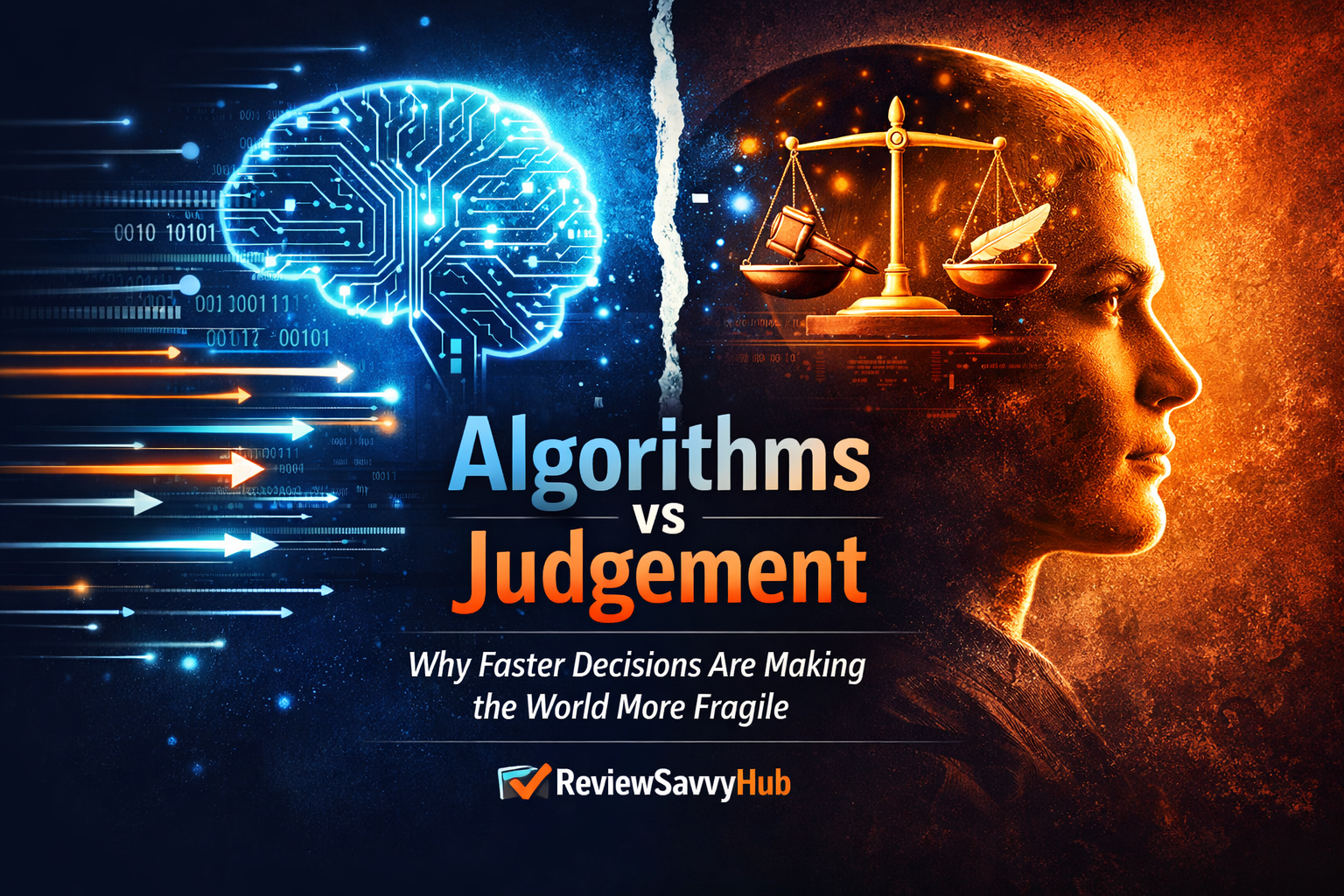
Algorithms vs judgement comparison showing AI digital brain versus human ethical decision making – ReviewSavvyHub
Opinion & Insights

Algorithms vs Judgement: Why Faster Decisions Are Making the World More Fragile

Editorial Hook – The Promise of Objective Algorithms vs the Reality of Human Consequences Algorithms vs judgement have become one of the most influential forces shaping modern decision-making across digital platforms and real-world systems. Algorithms are often presented as neutral, logical, and highly efficient systems designed to improve decision-making. From recommending content on social media

Employee bypassing a security control under workplace pressure, illustrating how urgency and expectations override secure behaviour
Opinion & Insights

Why Employees Bypass Security Controls

When Secure Behaviour Conflicts with Getting Work Done Editorial Hook — Claims vs Reality Why employees bypass security controls is not a question of ignorance, but of pressure, incentives, and how work actually gets done inside organisations. Security controls are designed with a clear intention. They exist to protect systems, data, and organisations from harm.

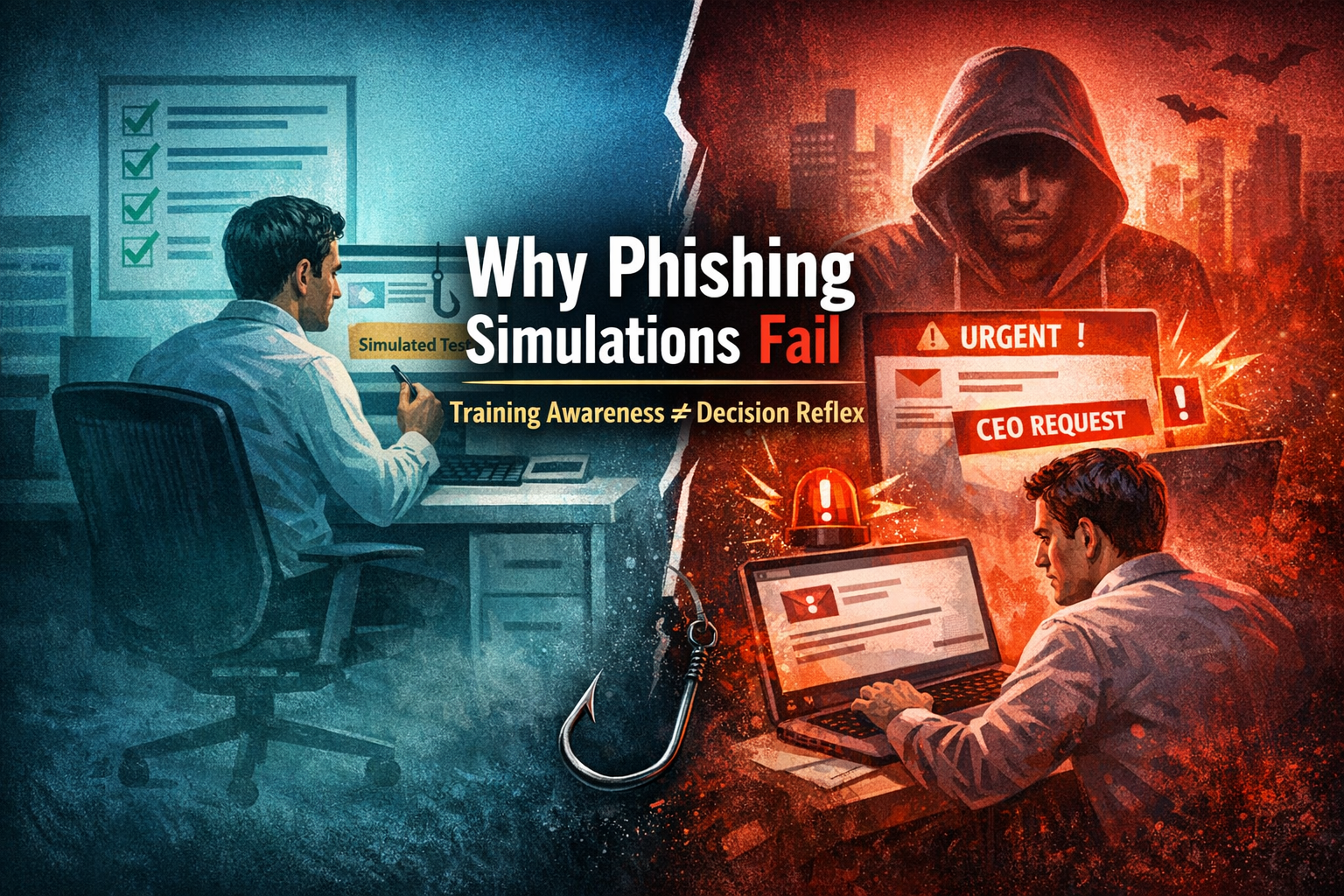
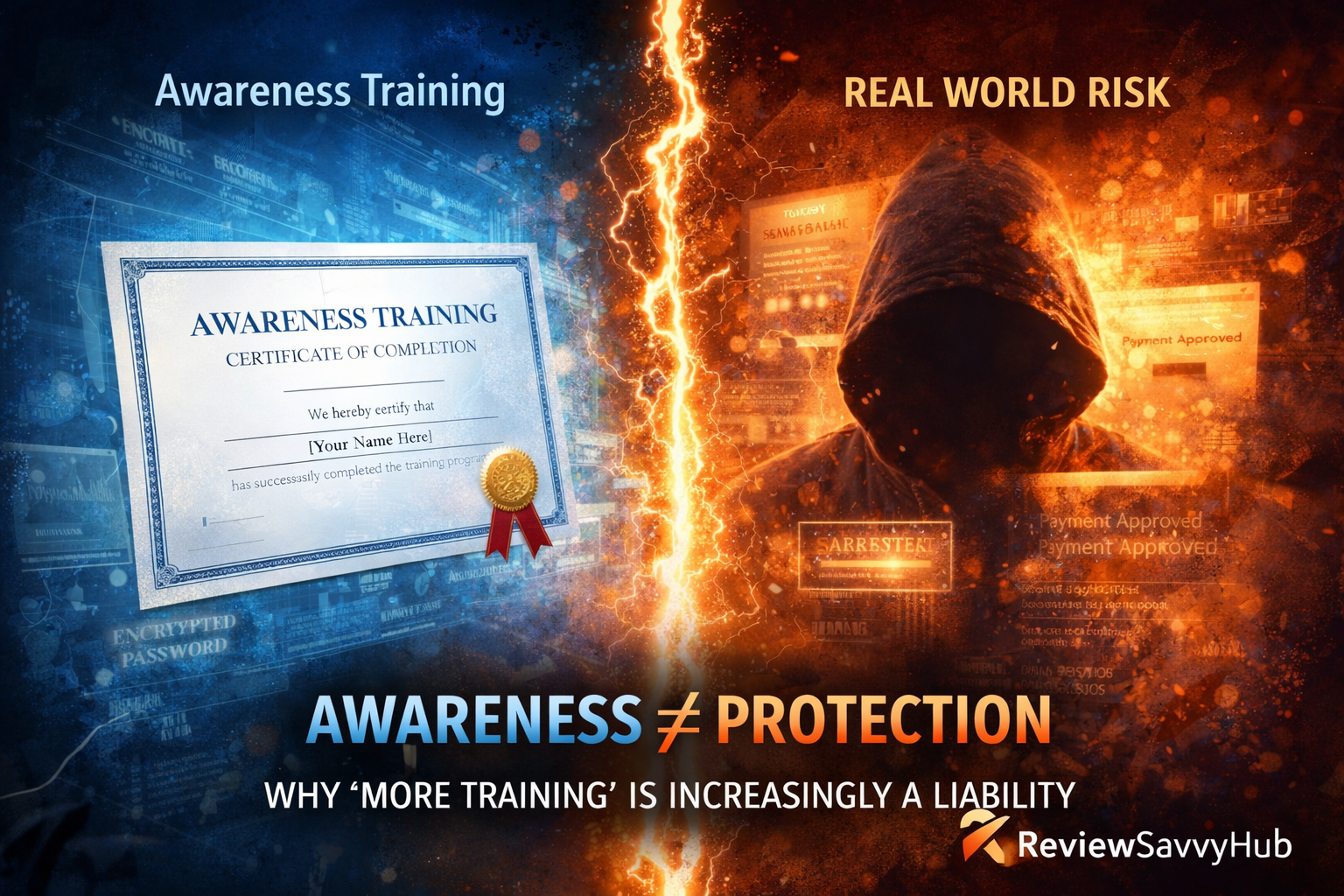
Illustration showing the difference between calm phishing simulation training and real-world phishing attacks where urgency and authority trigger reflexive decisions instead of judgment
Opinion & Insights

Why Phishing Simulations Fail

When Training Builds Awareness — But Breaks Judgment Why phishing simulations fail is not a technical mystery, but a human one rooted in how judgment breaks under pressure. Editorial Hook — Claims vs Reality Most organisations believe phishing is a solved problem because everything they can measure tells them so. Employees complete mandatory training modules.

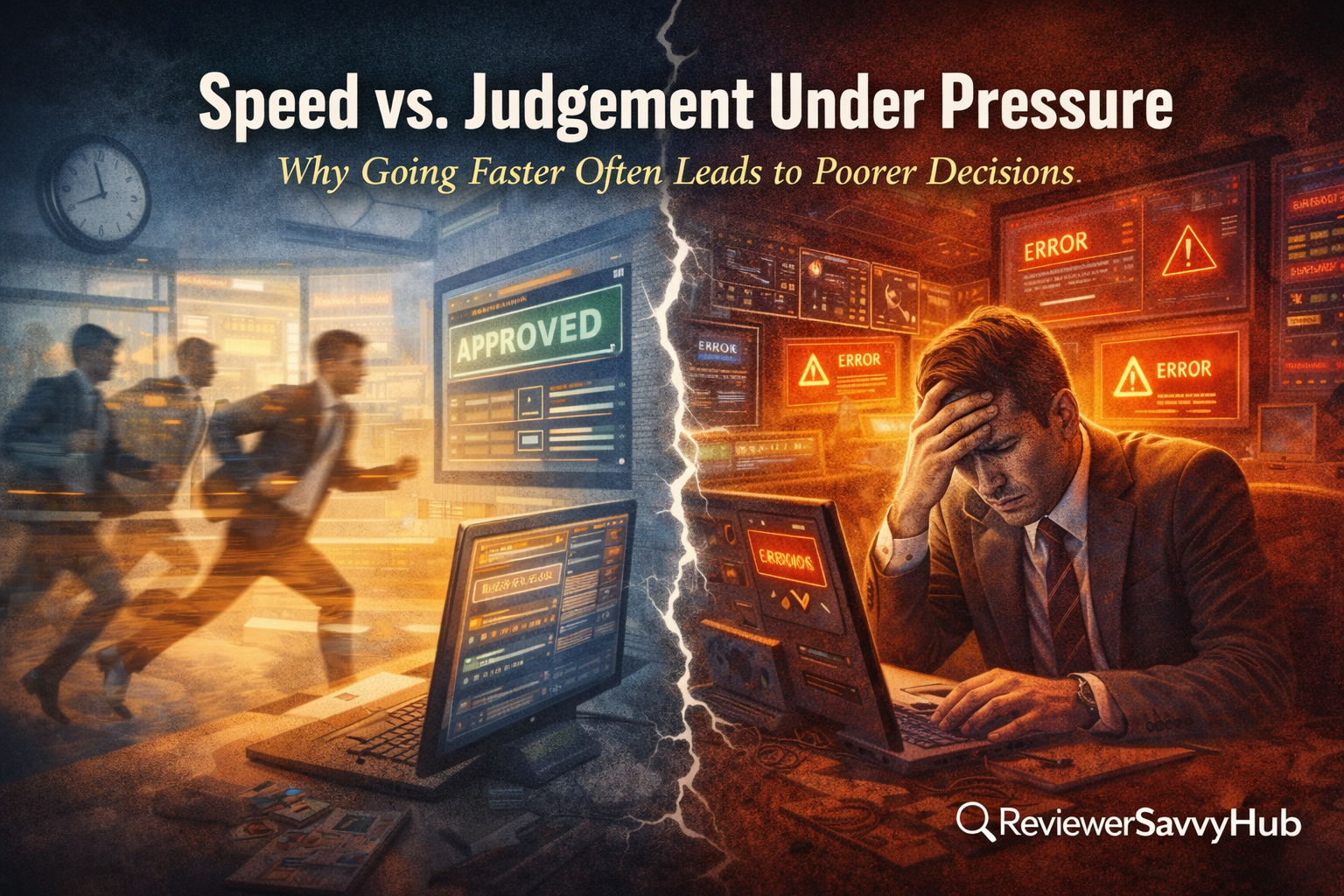
Illustration showing how speed-driven decisions undermine human judgement in modern organisations – ReviewSavvyHub Opinion & Insight
Opinion & Insights

When Speed Becomes the Enemy of Judgement

Opinion & Insight | ReviewSavvyHub Speed vs judgement is the hidden tension shaping how modern organisations operate under pressure. While many workplaces prioritise rapid execution, the balance of speed vs judgement determines whether an organisation is truly efficient or merely rushing toward failure.” But this obsession comes at a cost. When speed becomes the default

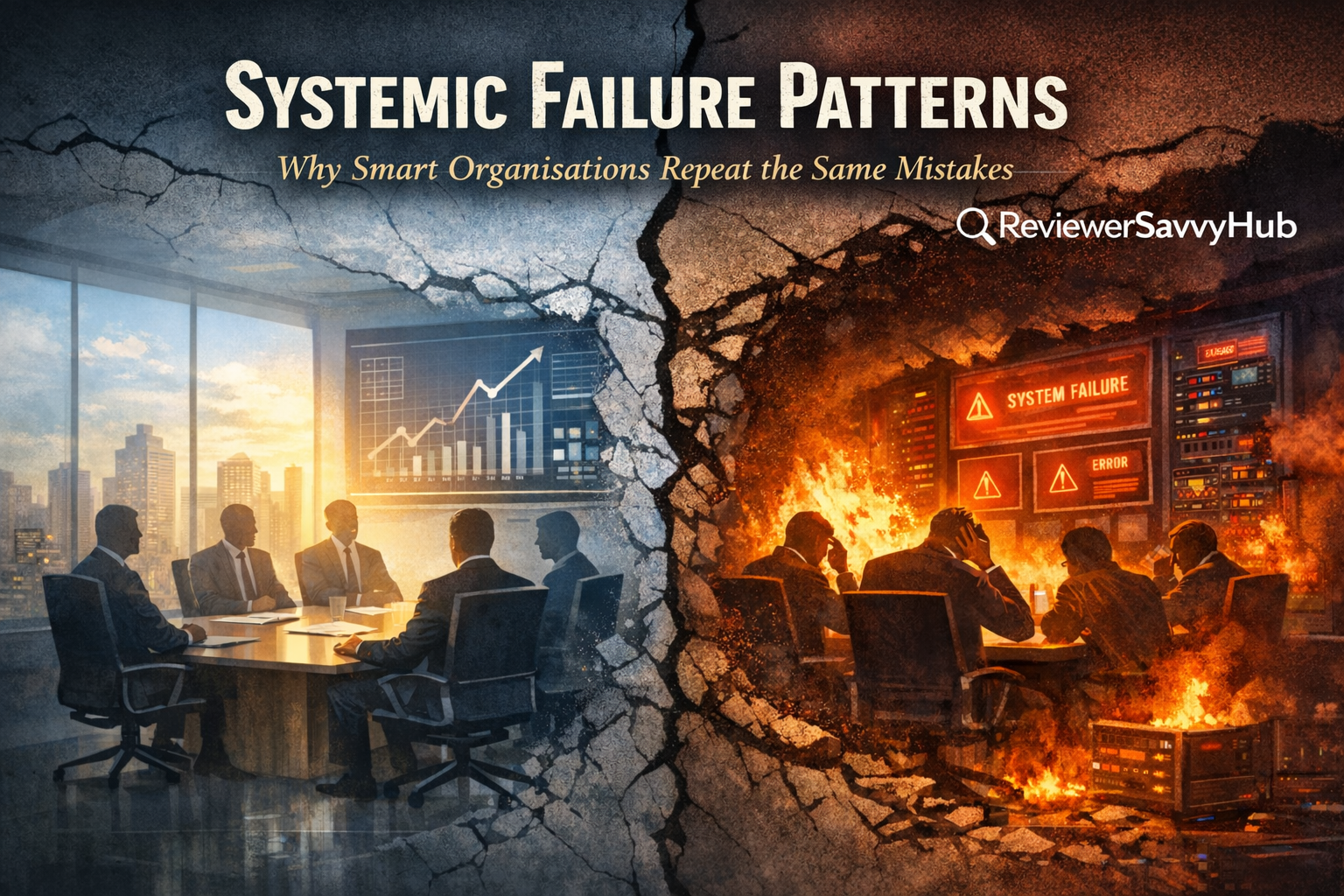
Systemic failure patterns showing how smart organisations repeat the same mistakes under pressure
Opinion & Insights

Systemic Failure Patterns

Why Smart Organisations Repeat the Same Mistakes Opinion & Insight | ReviewSavvyHub Systemic failure patterns explain why even the smartest organisations repeat the same mistakes.Most organisations do not fail because they lack intelligence, talent, or technology. On paper, many are exceptionally well-designed. They employ capable people, invest heavily in systems, and follow industry best practices.

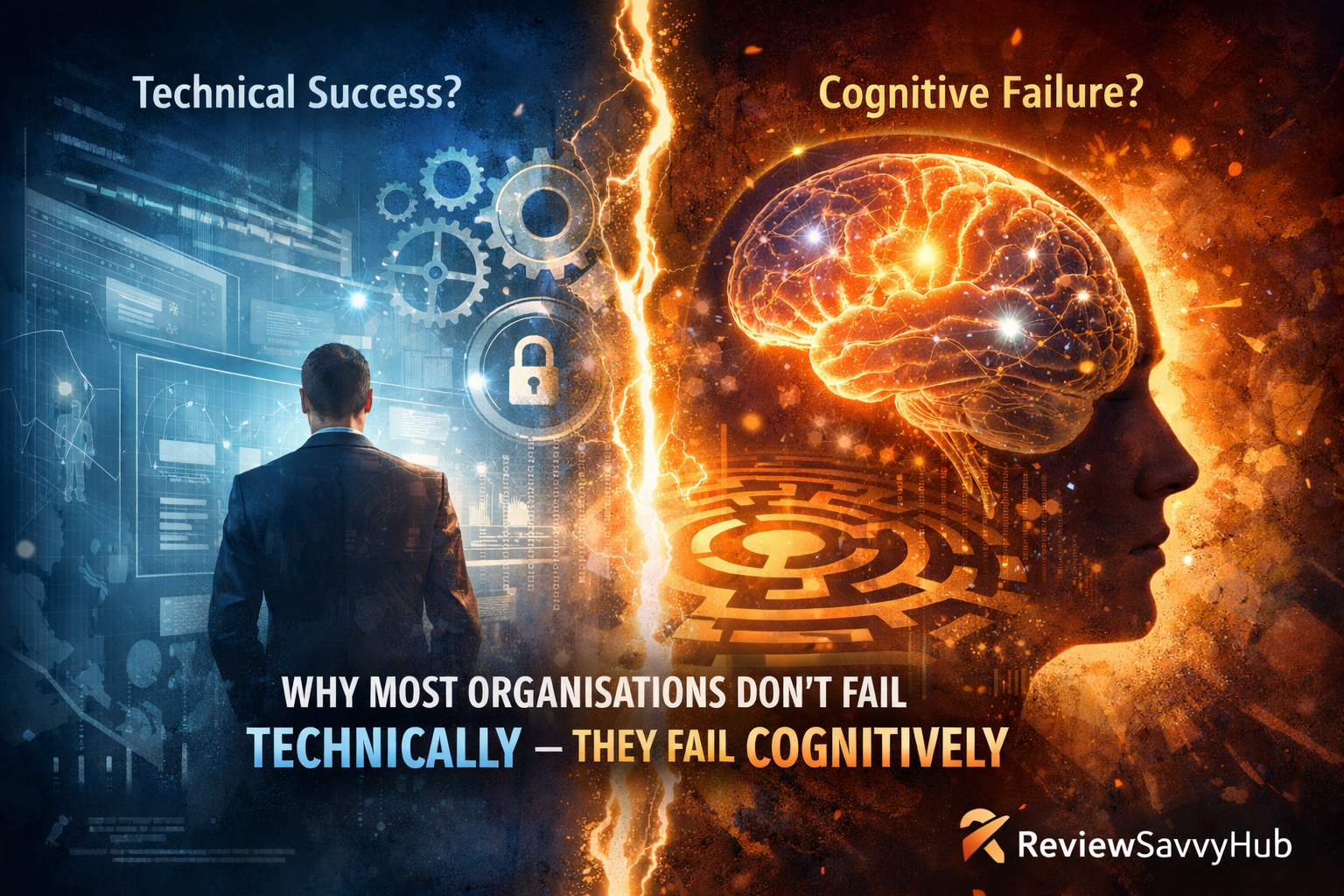
Split visual showing technical systems on one side and human cognition on the other, highlighting how organisations fail cognitively rather than technically – ReviewSavvyHub
Opinion & Insights

Why Most Organisations Fail Cognitively — They Fail Technically Later

Opinion & Insight | ReviewSavvyHub The Invisible Problem Organisations Keep Missing Most organisations fail cognitively long before they fail technically.When a data breach happens, when a fraudulent payment slips through, or when a critical operational mistake costs millions, the post-mortem usually sounds familiar. “The process was correct.”“The controls were in place.”“Training had been completed.” And

Scroll to Top